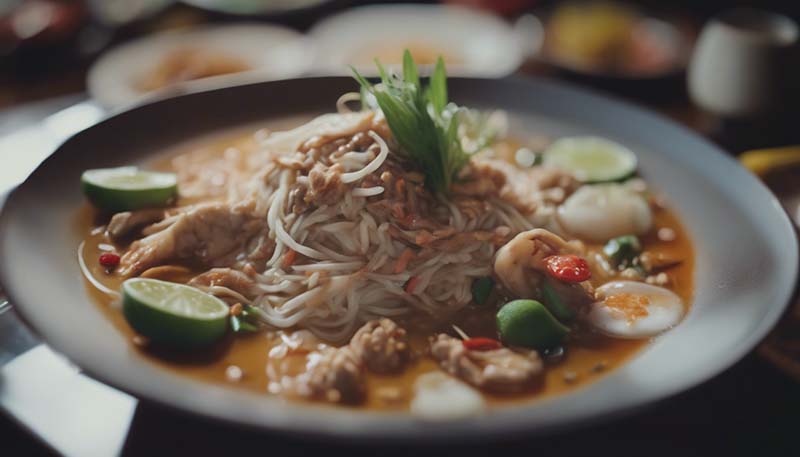
Food allergies are a growing concern in today's society, affecting millions of people worldwide. For those with food allergies, dining can be a daunting experience, fraught with potential risks. This guide aims to provide a comprehensive overview of food allergies, including understanding what they are, common allergens, symptoms, diagnosis, treatment, and strategies for managing food allergies in daily life.
Understanding Food Allergies
A food allergy is an abnormal immune response to a food protein. When a person with a food allergy ingests the allergenic food, their immune system overreacts, identifying it as a harmful invader and releasing chemicals like histamine to combat it. This reaction can lead to a range of symptoms, from mild to life-threatening.It's important to distinguish food allergies from food intolerances. Intolerances, such as lactose intolerance, occur when the body lacks the necessary enzymes to break down certain food components and do not involve the immune system.
Common Food Allergens
The most common food allergens are those that cause the majority of allergic reactions. These include:
Peanuts
Tree nuts (e.g., walnuts, almonds, and hazelnuts)
Milk
Eggs
Fish
Shellfish (e.g., shrimp, crab, and lobster)
Soy
Wheat
These eight food groups account for the vast majority of food allergies in the United States. However, any food can potentially cause an allergic reaction.
Symptoms of Food Allergies
Symptoms of food allergies can vary widely, from person to person and from one reaction to another. They can affect various parts of the body, including the skin, gastrointestinal tract, respiratory system, and cardiovascular system. Common symptoms include:
Hives or rash
Itching in the mouth or throat
Swelling of the lips, face, tongue, or throat
Nasal congestion or sneezing
Nausea, vomiting, diarrhea, or abdominal pain
Wheezing, coughing, or shortness of breath
Lightheadedness or fainting
A severe reaction known as anaphylaxis can cause more serious symptoms such as difficulty breathing, a rapid or weak pulse, a drop in blood pressure, confusion, or loss of consciousness. Anaphylaxis is a medical emergency that requires immediate treatment with epinephrine.
Diagnosis and Treatment
Diagnosing food allergies typically involves a combination of medical history, physical examination, and testing. The most common tests include:
The skin prick test, which involves placing a small amount of the suspected allergen on the skin and observing for a reaction.
The blood test, which measures the levels of allergen-specific IgE antibodies in the blood.
The oral food challenge, which is conducted under medical supervision and involves the person being fed increasing amounts of the suspected food to observe for a reaction.
Currently, the only approved treatment for food allergies is strict avoidance of the allergenic food. However, in cases of anaphylaxis, epinephrine is administered to counteract the symptoms. Some individuals may also be prescribed antihistamines, corticosteroids, or leukotriene modifiers to manage less severe reactions.
Managing Food Allergies
Living with food allergies requires diligence, planning, and a proactive approach to ensure safety. Here are some strategies to manage food allergies effectively:
Reading Labels
Always read food labels carefully. Look for the specific allergen you are avoiding, as well as any cross-contamination warnings. Familiarize yourself with common names and aliases for allergens, and be aware that labeling practices may vary by country.
Eating Out
When dining out, choose restaurants that are knowledgeable about food allergies. Communicate your needs clearly to the staff and, if possible, speak with the chef about your meal. Carry emergency medication with you at all times.
Traveling with Food Allergies
Travel can be challenging with food allergies, but it's not impossible. Research your destination, learn the language for your allergens, and carry allergy translation cards. Pack safe snacks and be prepared to explain your dietary needs in various situations.
Emotional Support
Living with food allergies can be isolating and stressful. Seek support from friends, family, and support groups. The emotional well-being of individuals with food allergies is just as important as their physical health.
Conclusion
Navigating life with food allergies requires education, awareness, and a commitment to safety. By understanding what food allergies are, recognizing common allergens, knowing the symptoms, and being proactive in managing your condition, you can lead a safe and fulfilling life. Always consult with a healthcare professional for personalized advice and the latest information on managing food allergies.
The Impact of COVID-19 on the Food Industry
The COVID-19 pandemic has had far-reaching effects on various sectors of the global economy, and the food industry is no exception. This ar...
The Rich Tradition of Greek CookingGreek cuisine is a culinary journey through the ages, combining the flavors and techniques of a rich history with the fresh, vibrant ingredients of the Mediterranean...
The Power of Antioxidants: How They Protect Your Body
Antioxidants are compounds that play a critical role in protecting your body from the harmful effects of free radicals. Free radi...