The Dos and Don'ts of Cooking with Cast Iron
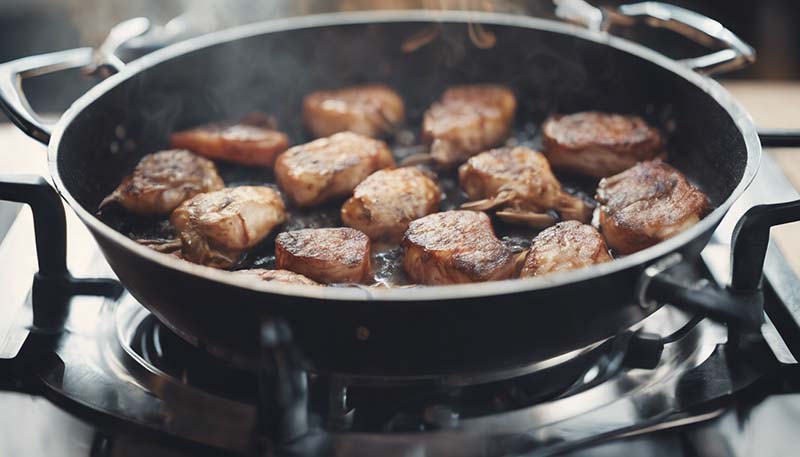
Cast iron cookware has been a staple in kitchens for centuries due to its durability, heat retention, and even heating properties. However, to get the most out of your cast iron pans and keep them in the best condition, it's important to follow a few dos and don'ts. In this article, we'll explore the best practices for cooking with cast iron and how to maintain these versatile pans.
Dos
1. Season Your PanBefore you start cooking with your cast iron pan, it's essential to season it. This involves applying a thin layer of vegetable oil to the pan and heating it in the oven. Seasoning creates a natural non-stick surface and helps prevent rust.
2. Preheat Your PanAlways preheat your cast iron pan before cooking. This ensures that the pan is hot and ready for your ingredients, which can help prevent sticking and promote even cooking.
3. Use the Right ToolsUse wooden, silicone, or heat-resistant utensils to avoid scratching the pan's surface. Metal utensils can damage the seasoning and non-stick surface.
4. Cook with Acidic Foods SparinglyWhile you can cook with acidic foods in your cast iron pan, do so sparingly as they can strip the seasoning over time.
5. Clean ProperlyAfter cooking, clean your pan with warm water and a soft brush or sponge. Avoid using soap or harsh detergents as they can remove the seasoning.
6. Dry and Re-SeasonAfter cleaning, dry your pan thoroughly over low heat or on a drying rack. Apply a thin layer of oil and heat it to maintain the seasoning.
7. Store CorrectlyStore your cast iron pan in a dry place with a paper towel or cloth to absorb any excess moisture and prevent rust.
Don'ts
1. Don't Use SoapAvoid using soap to clean your cast iron pan as it can strip away the seasoning.
2. Don't SoakNever soak your cast iron pan, as this can cause the pan to rust.
3. Don't Use AbrasivesDo not use steel wool or other abrasive cleaners on your cast iron pan, as they can damage the surface.
4. Don't Heat EmptyAvoid heating your cast iron pan empty for extended periods, as this can cause the pan to warp or crack.
5. Don't Cool Down Too QuicklyAllow your cast iron pan to cool down gradually after cooking. Rapid cooling can cause the pan to crack.
6. Don't Neglect RustIf you notice rust, address it immediately by scrubbing with a brush and re-seasoning the pan.
7. Don't Over-OilWhile oil is essential for seasoning, over-oiling can cause a sticky residue and create an uneven cooking surface.By following these dos and don'ts, you can ensure that your cast iron cookware lasts for generations and provides you with delicious, evenly cooked meals every time.